

Sodium Lactate: The Versatile and Natural Moisture Magnet
Introduction: More Than Just a Salt
It's the salt of Lactic Acid, a substance naturally produced by our own muscles during exercise and by bacteria during the fermentation of foods like yogurt, sauerkraut, and kimchi.
What Exactly is Sodium Lactate? The Science Made Simple
To understand sodium lactate, it helps to break down its name. Lactic acid is an organic acid. When it is neutralized with a base, in this case, sodium hydroxide (a common food-grade alkali), they combine to form a salt: sodium lactate.
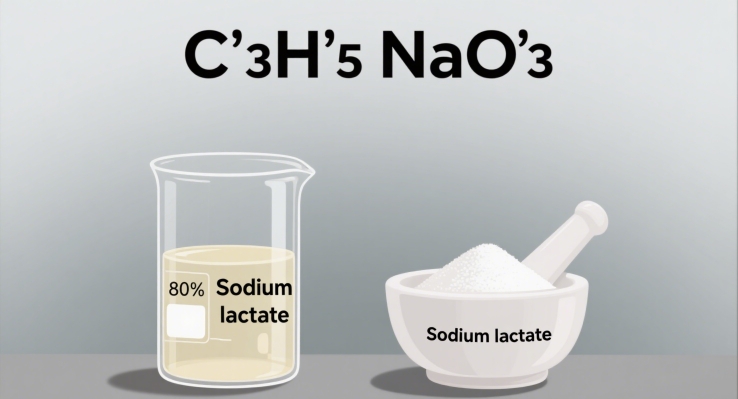
Chemical Formula: C₃H₅NaO₃
Appearance: It is most commonly found as a clear, colorless, or slightly yellowish syrupy liquid. It can also be processed into a white powder.
Origin: While it can be synthesized, commercial sodium lactate is predominantly produced through the natural fermentation of carbohydrate sources like corn, beet sugar, or potato starch. This natural fermentation process makes it a desirable ingredient for "clean-label" and plant-based products.
A key feature of sodium lactate is its status as a humectant.
Key Properties and Advantages: Why It's So Widely Used
- Exceptional Humectant: Its primary role is to attract and retain moisture. This makes it incredibly effective at preventing products from drying out, whether it's a loaf of bread on a shelf or the skin after applying a lotion.
- pH Stabilizer (Buffering Agent): Sodium lactate helps to maintain a stable, mildly acidic pH in solutions. This is crucial in personal care products, as our skin's natural pH is slightly acidic (around 5.5), and maintaining this balance is essential for skin health. It also helps control acidity in food products.
- Microbial Stability: By lowering water activity (the amount of free water available for microbes to grow) in products, sodium lactate creates an environment that is less hospitable to mold, yeast, and bacteria. This acts as a natural preservative, extending the shelf life of products without necessarily requiring harsh synthetic preservatives.
- Supporting Research: A study published in the Journal of Food Protection demonstrated that sodium lactate significantly inhibited the growth of Listeria monocytogenes and other pathogens in cooked meat products. The researchers concluded it was "effective as an antimicrobial agent" (Barmpalia et al., 2004).
- Excellent Solubility: It mixes easily with water, making it very simple to incorporate into a wide variety of formulations, from clear beverages to thick lotions.
- Safety and Tolerance: Sodium lactate is generally recognized as safe (GRAS) by the U.S. Food and Drug Administration (FDA) and is approved for use in food and cosmetics worldwide. It is well-tolerated by the skin, non-irritating, and derived from natural sources.
Diverse Applications: Where You Find Sodium Lactate
In the Food Industry:
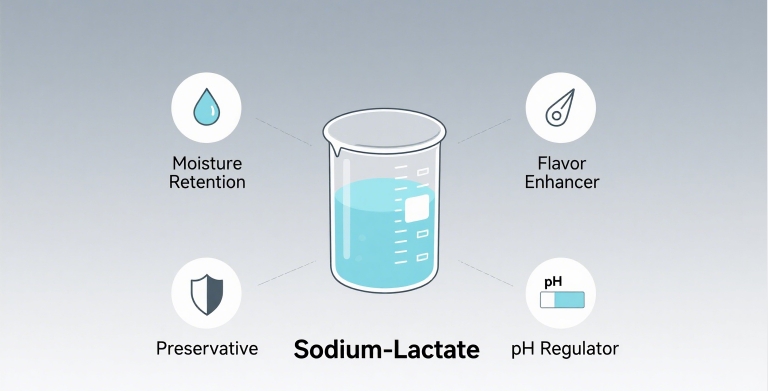
- Moisture Retention: Used in baked goods (bread, cakes, tortillas) to keep them soft and fresh for longer, reducing staling.
- Flavor Enhancer: It can enhance the perception of other flavors and impart a mild, slightly salty taste.
- Preservative: Widely used in meat and poultry products (like sausages and cooked hams) to inhibit bacterial growth and improve food safety. Its use is detailed in USDA and FDA regulations.
- pH Regulator: Used in beverages and dairy products to control acidity and ensure a consistent taste.
In Cosmetics and Personal Care:
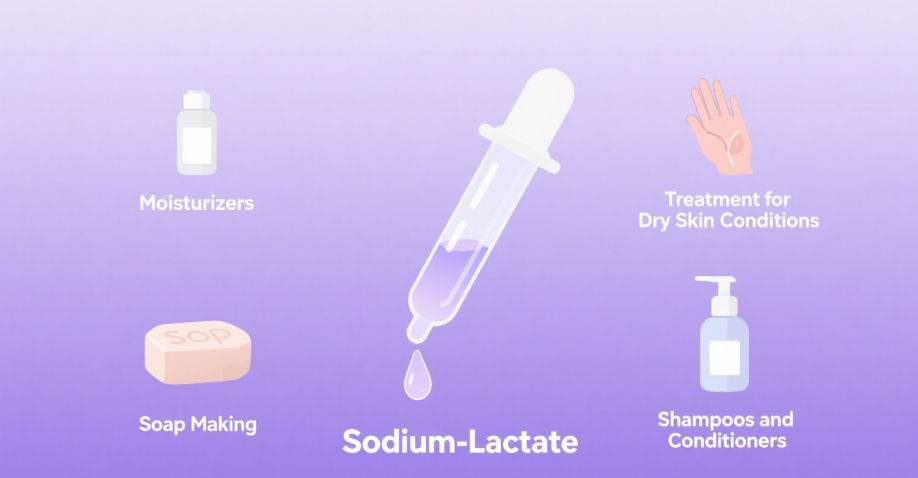
- Moisturizers: As a potent humectant, it is a key ingredient in lotions, creams, facial serums, and body washes to hydrate the skin by drawing moisture from the air into the outer layer of the skin.
- Treatment for Dry Skin Conditions: Research has shown its efficacy in improving skin hydration and barrier function. A study in the British Journal of Dermatology found that a lotion containing sodium lactate was effective in reducing the severity of dryness and flaking in patients with xerosis (dry skin) and ichthyosis (Shepherd et al., 2004).
- Soap Making: It is a very popular additive in cold process and melt-and-pour soaps. It acts as a humectant, creating a harder, longer-lasting bar of soap that is also more moisturizing on the skin.
- Shampoos and Conditioners: Helps to hydrate the scalp and hair, reducing frizz and improving manageability.
In the Pharmaceutical Industry:
- pH Buffering: Used in topical formulations, eye drops, and injectable solutions to ensure the product has a compatible and non-irritating pH.
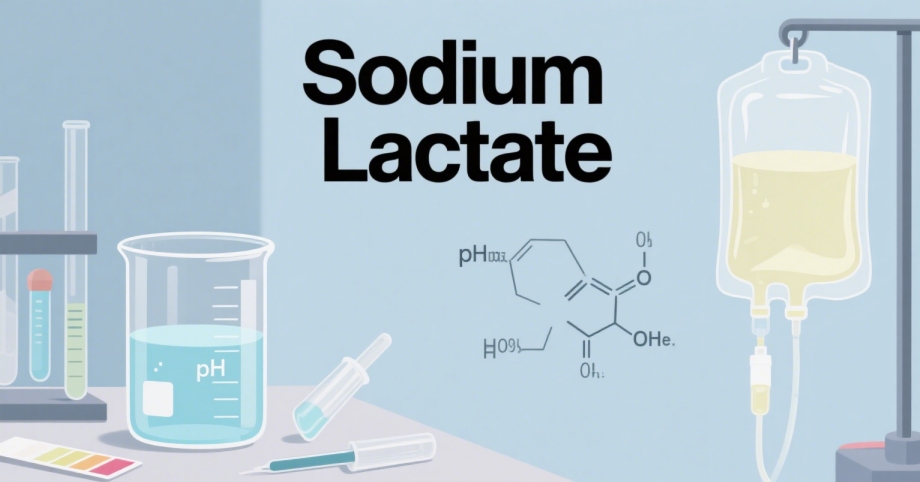
- Source of Electrolytes: In some medical settings, sodium lactate is a component of lactated Ringer's solution, an intravenous fluid used to treat dehydration and restore electrolyte balance. It's important to note that the body metabolizes the lactate, making this solution different from one containing pure sodium chloride.
Safety and Considerations
Sodium lactate is considered extremely safe for topical and culinary use. As with any ingredient, excessive consumption of foods containing it should be avoided, particularly by individuals on sodium-restricted diets due to its sodium content. For topical use, it is non-irritating and non-sensitizing for the vast majority of people, making it suitable for even sensitive skin types.
Conclusion: A Natural and Powerful Tool
Sodium lactate is a testament to how simple, naturally derived ingredients can offer powerful, multifaceted functionality. From ensuring our food is safe and delicious to helping our skin stay hydrated and healthy, its role is both fundamental and transformative. Its combination of efficacy, safety, and natural origin ensures that sodium lactate will continue to be a valued ingredient, quietly improving the quality and performance of products we rely on daily.
- Name: Jeremy Ma
- Email: sales05@aogubio.com
- WhatsApp: +86 18066876392